
Every autumn, Ajijic, a lakeside village in Jalisco, Mexico, celebrates Día de Muertos (Day of the Dead) with flowers, music, remembrance, and community gatherings. In 2026, the celebration brought colorful altars, striking Catrina costumes, and processions to the streets near Lake Chapala.
It offered residents and visitors an opportunity to experience a Mexican tradition centered not on fear of death, but on the enduring connection between families and loved ones.
What Is Día de Muertos?
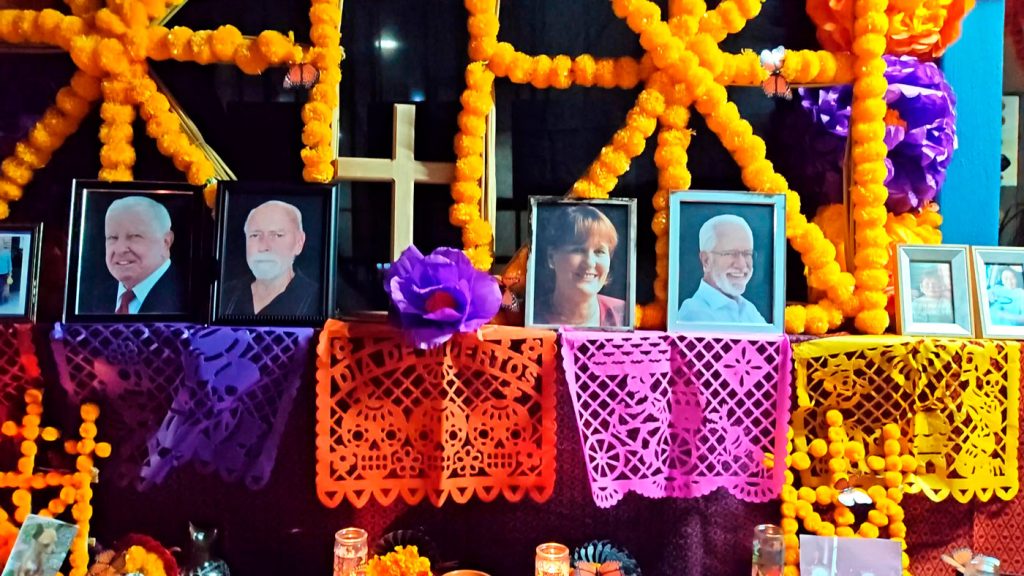
Día de Muertos is a Mexican tradition observed primarily on November 1 and 2. Families remember relatives and friends who have died, often preparing ofrendas, or commemorative altars, with photographs, candles, flowers, food, and meaningful personal objects.
Marigolds, known in Mexico as cempasúchil, are among the celebration’s most recognizable symbols. Their bright orange petals are traditionally used to decorate altars and pathways. Candles, photographs, and favorite foods help turn each offering into a personal tribute.
Although colorful and festive, the occasion is rooted in affection and remembrance. It is a time to share stories, honor family history, and keep memories present.
Ajijic’s Day of the Dead Celebration in 2026
Ajijic’s 2026 program, known as Axixic Vive, featured cultural activities from October 29 through November 2, with major events in the town center and along the lakefront. The festivities included altar exhibitions, children’s workshops, folk dancing, mariachi music, and processions through familiar village streets.
The Desfile de Angelitos on November 1 honored deceased children. On November 2, the Catrinas and Catrines parade brought elaborate costumes and theatrical skull makeup into public view. Participants walked through the town as neighbors and visitors gathered to watch, photograph, and take part in the occasion.
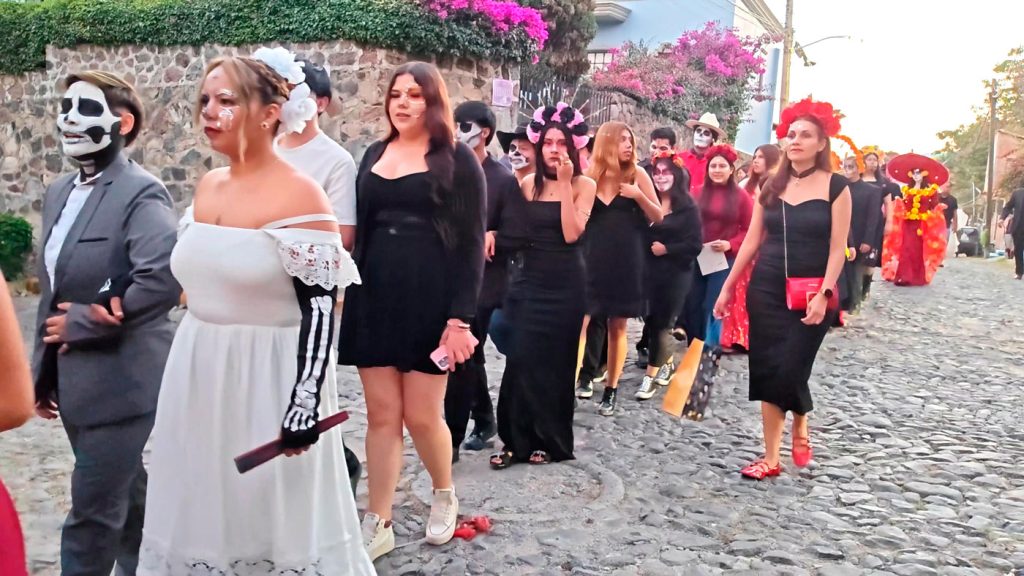
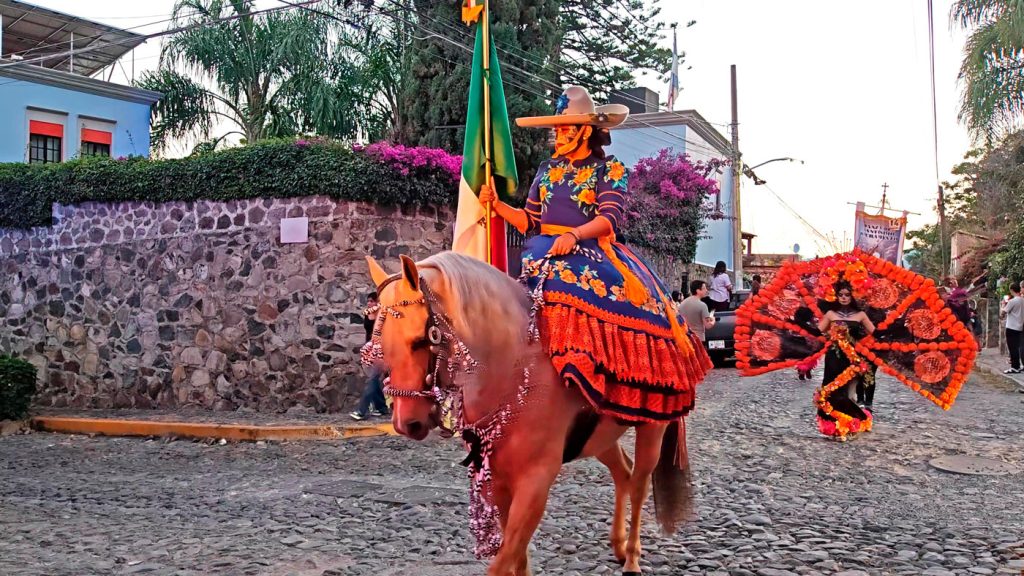
The imagery from the celebration shows richly decorated dresses, dramatic floral headpieces, musicians, horseback participants, and crowds lining the cobblestone streets. As daylight faded, candles and marigolds illuminated altars and displays, giving the evening a quieter, more reflective atmosphere.
Why Are Catrinas and Altars Important?
The Catrina is an elegant skeletal figure that has become a familiar symbol of Día de Muertos. During the celebration, people interpret the image through clothing, hats, flowers, and face painting. The creativity of these costumes brings art into the streets while reminding viewers that death is part of life.
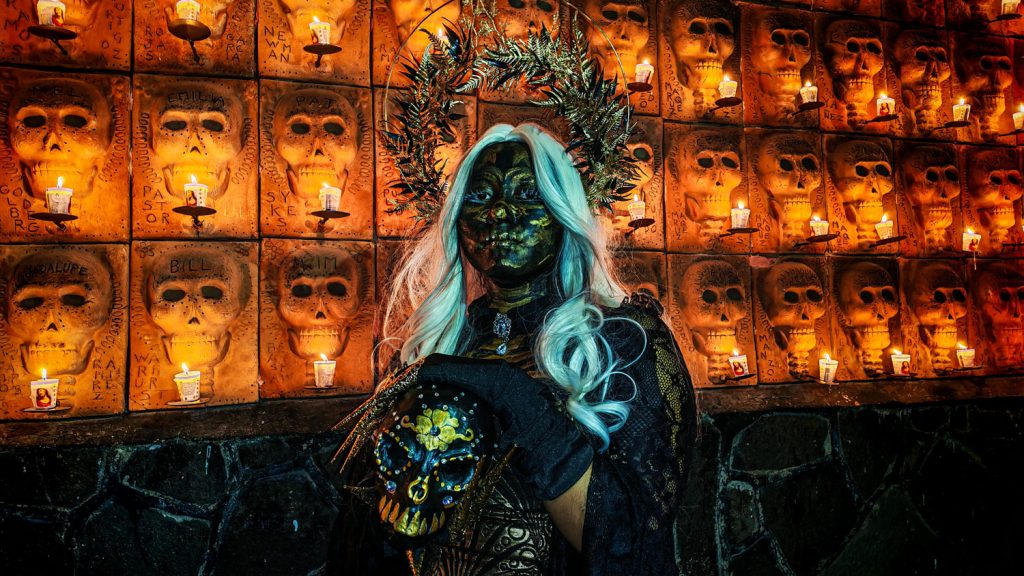
Altars offer a more intimate form of remembrance. Some are assembled at home, while others appear in public spaces and businesses. Each may include photographs and objects connected with particular people, making the celebration both communal and deeply personal.
In Ajijic, these two expressions coexist: a lively public procession and private moments of reflection.
A Lakeside Tradition Worth Preserving
For Ajijic, Día de Muertos is also an opportunity for generations to connect. Children learn about the symbolism of the offerings, artists share their work, and families participate in traditions that continue to evolve.
The village’s streets, plaza, and lakefront provide a distinctive setting, but the central message remains universal: remembering those we love. For newcomers, these scenes also offer a thoughtful introduction to local life.
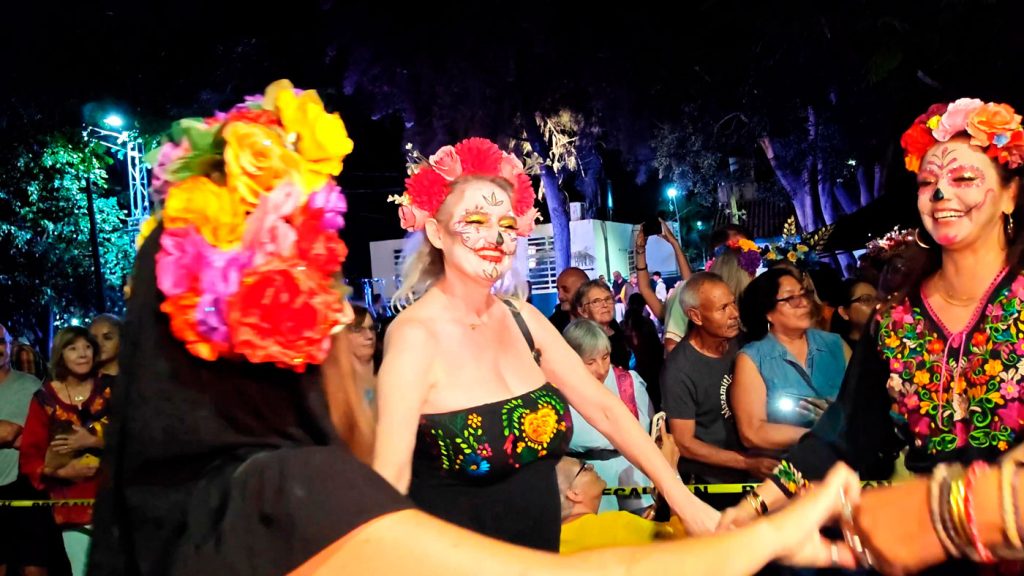
El Ojo del Lago shares scenes from the 2026 celebration as part of its ongoing coverage of culture and community life around Lake Chapala. Watch our accompanying video to experience the costumes, altars, music, and atmosphere of Día de Muertos in Ajijic.
Frequently Asked Questions
The main observances take place on November 1 and 2, although community activities may begin earlier.
Depending on the year’s program, visitors may encounter ofrendas, Catrina parades, music, cultural performances, and community gatherings in Ajijic, Jalisco, on the shores of Lake Chapala.
A Catrina is an elegant skeletal figure associated with Día de Muertos. Participants interpret the figure through costumes, hats, flowers, and skull face painting, combining artistic expression with a reminder that death is part of life.
An ofrenda is a commemorative altar honoring loved ones who have died. It may include photographs, candles, flowers, favorite foods, and meaningful personal objects connected with the people being remembered.
Marigolds, known in Mexico as cempasúchil, are a recognizable symbol of Día de Muertos. Their bright orange petals are traditionally used to decorate altars and pathways as part of offerings honoring the deceased.
 Discover trusted local services and hidden gems with our easy-to-use online directory.


- Day of the Dead in Ajijic 2026: Catrinas, Altars, and Traditions by Lake Chapala - November 9, 2026
- November 2026 Issue - October 31, 2026
- November 2026 - October 31, 2026