
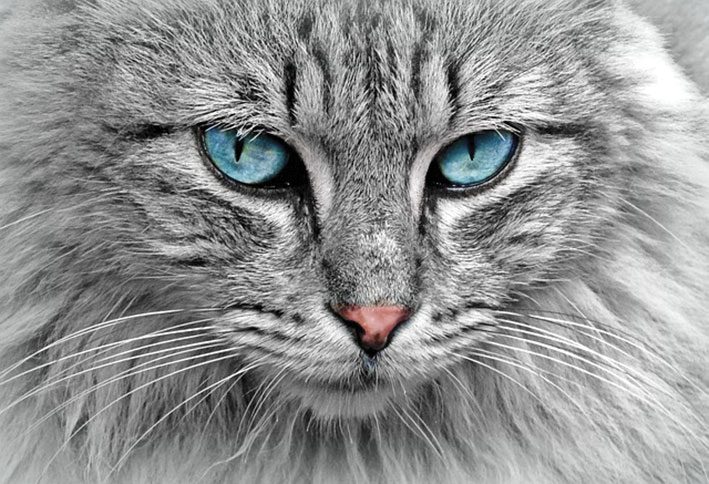
This article is a continuation of a series about our senior pets. The first article in the December 2025 issue dealt with common age-related changes for both cats and dogs regarding eye conditions and dental problems. Due to article word constraints and the amount of information about age-related mobility problems in our senior pets, this article will be about cats, and the next article will cover dog mobility problems.
Cats, like us, are also individuals and have their own unique experience with aging and its challenges. Cats generally begin to encounter age-related physical changes between 7 to 10 years, and most do so by the time they are 12. Cats are experts at hiding illness, and elderly cats are no exception. With most cats (this is especially true in a multi-cat household), it affects the “pecking order” of dominance. This also affects food access. It is common for a cat to have a serious medical problem yet not show any sign of it until the condition is quite advanced. Most diseases can be managed more successfully when detected and treated early in their course. It is important for owners of senior cats to carefully monitor their behavior and health, especially any kind of changes.
Some signs of mobility problems: (a) Decreased activity and grooming – poor coat condition. Obese cats have a difficult time turning their head to groom, (b) Reluctance to use the stairs, jump or chase objects. (c) Limping after resting. (d) Weak back legs. (e) Change in walking gait, stiffness – lameness. (f) Difficulty lifting their tail. (g) Hair loss over affected painful joints. (h) Inappropriate elimination or accidents outside the litter box. (i) Changes in personality – hiding, increased aggression. (j) Sleeping more than usual. (k) Decreased energy level. (l) Decreased energy level and not interested in things they paid attention to before.
Things you can do to support your senior cat: (a) Provide a comfortable, safe place for your cat to rest, sometimes the cat himself will let you know where that place is, rather than your idea. Have it soft and “cushiony” to help with possible pain/stiffness. (b) Create easy access to food and water dishes, especially at a level the cat can reach without jumping up to get to them. Raise your cat’s food bowl if your cat is arthritic, raising their food bowl (for example, onto a box) can make eating more comfortable as it prevents them from needing to bend down, potentially putting strain on sore joints. FYI: periodically feel your cat’s body for “boniness,” weigh the cat if able, especially if it has long hair or hides. (c) Easy access to their essentials: Place food, water, and litter boxes on the floor and on the same level in your home to reduce the need for jumping onto counter tops and for climbing stairs. (d) Litter box modifications: Consider a low-entry litter box or one with a side door to make it easier for your cat to get in and out. Urinary infections, constipation, arthritis, and muscle weakness/mobility are just a few of the reasons an older cat can develop litter box issues. If you have a multi-cat household, your other cats might “bully” your senior cat while he is in the litter box or trying to enter or leave it, so provide a secure place for your senior cat to use the litter box. (e) Hair and nails: daily brushing or combing removes loose hairs, which also helps prevent furballs. It also stimulates blood circulation and sebaceous gland secretions, resulting in a healthier skin and coat. (e) Older cats may not use scratching posts as frequently as they did when they were younger. Check nails and trim if necessary. Horizontal scratching posts may also be easier for them to use than vertical ones. (f) Heat therapy with heat pads if your cat is experiencing pain and stiffness due to arthritis. Heat therapy may help reduce the discomfort. You can buy many types of heat pads made for pets that are safe and easy to use. (g) Make sure your cat is getting adequate gentle daily exercise for physical benefits, maintaining muscle mass and bone density. Mental “stimulation” is also a benefit and helps reduce obesity risks. (h) Discuss with your vet mobility issues with your cat – possibly medications for arthritis inflammation/pain may be of help. If you give any medication [for anything] observe your pet for any unexpected reaction to the medication such as a decrease in appetite, behavior change, changes with bowel/bladder, excessive drowsiness, etc.
Set aside extra time each day to spend in playtime with them, as well as some cuddle time. Human interaction is really important for senior cats to keep them feeling safe, happy, and loved. Enjoy this special bond with your older companions, we rely on our cats as much as they rely on us. Elderly cats often crave more attention than they had earlier in life. This extra time is good for US too.

 Discover trusted local services and hidden gems with our easy-to-use online directory.


- YOU and Your Doctor Are Your Medical Team – October 2026 - September 30, 2026
- YOU and Your Doctor Are Your Medical Team – August 2026 - July 30, 2026
- YOU and Your Doctor Are Your Medical Team – June 2026 - May 30, 2026