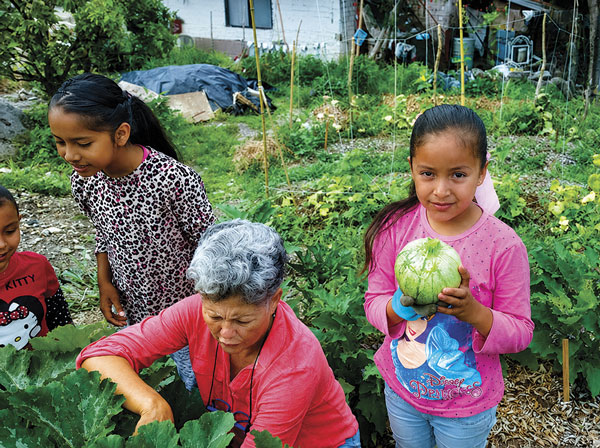
~ photo by Fco. Nava
Actionable advice for a positive environmental effect.
Observant Gardening
Now that the rains have started and our garden watering chores are lessening, perhaps we can all relax a bit by spending more time watching, listening to and enjoying our gardens.
Let’s start at the ground level with the soil. Soil has been around for hundreds of millions of years. It has figured out how best to survive all the elements contributing to its making. We can lightly loosen the soil and remove those plants that are unwanted, some call them weeds. This way we leave the soil with its multitudes of microbes, fungi and insects intact. Happy soil makes for happy plant roots, better able to take up nutrients, fight off pests and diseases, and withstand drought. Over time you will see that treating your soil with care will lead to fewer weeds.
One theory suggests that a garden that is living, dying, and thriving is naturally full of many beings, not just pests and diseases, but organisms that exist in balance within the larger ecosystem. It may make more sense to work with nature rather than against it by choosing plants adapted to local conditions. Try cultivating rain-adapted greens such as chaya or amaranth. And if you have poor soil, try potato varieties that love poor soil. By shifting our perspective on how a garden should be tended, and by observing how it naturally evolves, we may discover that nature in our gardens often helps far more than it harms.
What to plant in July
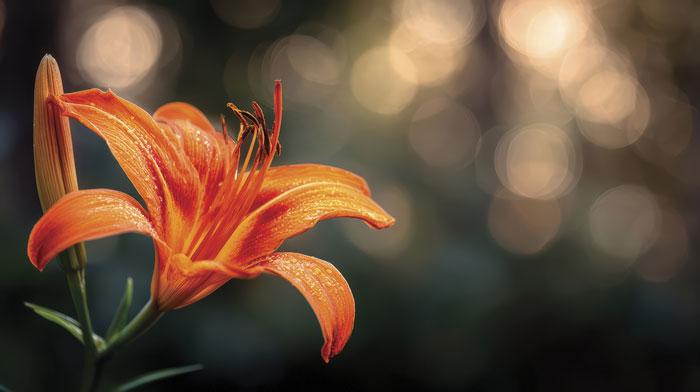
It’s wet and rainy, in fact too wet for some things to be really happy. Daylilies are still blooming, as are tigridias. Let your geraniums dry out between waterings, if possible, and herbs, too. At the viveros, you’ll find dahlias, gazanias, larkspur, lobelia and monarda. You may have to protect some things from too much water, particularly new seedlings in flower and vegetable gardens. And it’s still quite hot. Keep up with the garden pests and beware of diseases like powdery mildew. Some flower seeds to think about planting are asters, balloon flower, cone flower, lobelia and freesia. You can still plant Swiss chard, peppers, eggplant, leeks and okra. Container gardening gives you an opportunity to add more interest to your patios and terraces and also to move things out of heavy rains and hot sun. With the heavy rains, fertilizers leach out of the soil very quickly. Compost helps.
What to do in the garden in July
Do your transplanting in the late afternoon or evening so plants have the whole night to begin to recover before they’re hit with a full day of sun and heat. Water the transplants in well and provide shade from the intense midday sun. Water enough to keep soil around transplants moist for at least a month until they’re well-established. Mulch transplants to lessen evaporation so your irrigation water lasts longer.
Harvest beans, cucumbers, squash, and tomatoes at least every other day to encourage further production. If too many fruits are allowed to remain on the plant, the hormones will change so there will be fewer new blossoms to set new fruit.
Pinch back herbs to encourage branching and use the clippings either fresh or dry. Their flavor is at its peak just before they flower. Harvest them early in the morning before the day becomes warm and the fragrant oils dissipate.
To encourage beneficial insects to populate your garden, provide them with their chosen foods and habitats. Many weeds are food sources for two of the most important orders of beneficial insects, wasps and flies. Mustard flowers attract lacewings (for aphids) and parasitic wasps. These do not bother people or pets. Planting rows of these plants in your garden can support a large beneficial insect population.

 Discover trusted local services and hidden gems with our easy-to-use online directory.


- Verdant View – October 2026 - September 30, 2026
- Verdant View – September 2026 - August 29, 2026
- Verdant View – August 2026 - July 30, 2026