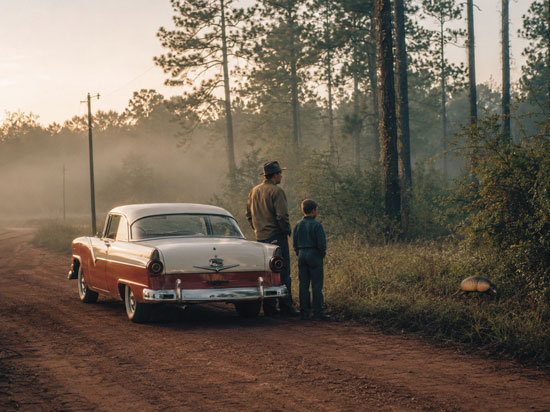
The Grace of September
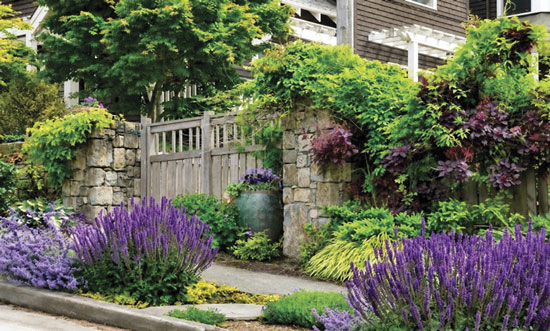
A September garden is a reminder that every season has its own beauty. It speaks of maturation, rewarding months of care and patience. As the pace of growth slows, it also invites us to embrace life’s quieter moments with grace and to appreciate the balance between vibrant flourishing and necessary periods of rest.
In the Northern Hemisphere September comes at the twilight of the growing season. The autumnal equinox is at 6:05 pm on Tuesday, September 22, 2026 marking the astronomical first day of fall. On this date, day and night are approximately equal in length.
The garden enters a period of quiet; an elegant transition once the vibrant energy of summer begins to set. A calm settles over the plants as they show their final flourish. The soil is still warm. The rains have tapered off. You can sit and appreciate the garden canvass you’ve created. As the fragrances of late-flowering perennials gracefully sweep over dancing ornamental grasses, it is a time to appreciate the natural, earthly hues that make the autumn garden so special. There’s a gentle beauty in the later months of the year.
What to do in September
Tasks involve deadheading spent flowers, drying blooms (like hydrangeas), harvesting summer produce and planting spring-blooming bulbs. Planting spring bulbs is the perfect antidote to the pre-winter blues. You can divide summer-flowering herbaceous perennials like hardy Geraniums, Salvias and Hostas. Keep on deadheading summer bedding and it will carry on flowering until the winter begins. Water Camellias and Rhododendrons regularly – next year’s flower buds are developing now. Get started on autumn lawn care – scarify, aerate, top-dress and feed your lawn, and cut it on a higher blade setting as growth slows down for the winter. Raise pots on pot feet to stop them getting waterlogged. Clean out greenhouses and remove shading to make the most of lower light levels.
What to plant in September
September’s mildness makes gardening tasks pleasant. The soil and air are warm but not overly hot. Fresh summer produce is still delicious, but production is slowing down. Garden tasks usually center around cleaning up the old garden and getting the new one started.
Seeds and transplants of cool-weather-hardy crops can be planted now for harvests from fall through early spring. Soil amendments can be collected and dug in now to break down over the winter, enriching the soil for next year’s gardens.
Look for Moluccella, (Bells of Ireland). It may be hard to find, so consider starting it from seed. It has unusual green flowers, which when cut fresh, will dry and last for years. Also at the viveros: ageratum (in pink, blue and white), kalanchoe, chrysanthemums, the familiar annuals: zinnias, marigolds, cosmos and sunflowers and all of the plants that do well all year round. Morning glories are blooming now, and some iris will bloom for a second time. Also some fall flowering bulbs. Now is the time to put members of the cabbage family into your veggie garden as well as lettuce, peas and spinach. Flower seeds to start now are amaranthus, baby’s breath, columbine and alstroemeria.
Since our rains are at their end, you may have to begin a regular watering schedule towards the end of the month. Water deeply once or twice a week to promote deep root growth. Let the soil around established plants dry out between watering. Keep pruning, deadheading and fertilizing, especially if you use a liquid.
September strews the woodland o’er
With many a brilliant color;
The world is brighter than before,
Why should our hearts be duller?
Sorrow and the scarlet leaf,
Sad thoughts and sunny weather,
Ah me! this glory and this grief
Agree not well together…
~Thomas William Parsons, A Song for September

 Discover trusted local services and hidden gems with our easy-to-use online directory.


- Verdant View – October 2026 - September 30, 2026
- Verdant View – September 2026 - August 29, 2026
- Verdant View – August 2026 - July 30, 2026