
Part 2
How I Keep My Pool of Friends Full
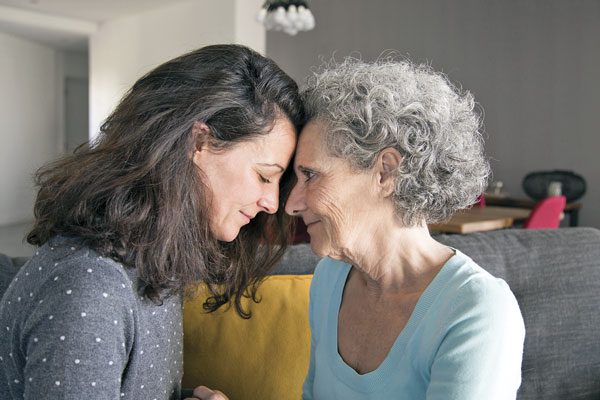
Even though it wasn’t exactly funny, I laughed so hard I almost wet my pants. Doug had turned 78, and I called to congratulate him. He’s a Viet Nam vet, and a tall, sturdy guy who wears hearing aids and takes half a dozen pills every day.
He told me that he was feeling happy and healthy. His kids had made a party for him, and he was planning a vacation. Then he said, “Seven of my friends died this year.” He said, in a tone that was mournful with a bit of disappointment.
Then he added, “All my pallbearers are dead!”
“You need to make younger friends.” I advised.
That’s when the laughter started, him first, then me. It was one of those rare, joyful wet-your-pants-out-of-breath laughs. It managed to change the subject from death to life. He moved on to describe his exciting vacation plans.
While we Baby Boomers and those ahead of us are inundating the elderly population, we are also diminishing in number. Like Doug, I had seven friends die this year: my older brother and his wife of 63 years, one in Chicago, one in Vienna, and three in Ajijic. That’s another seven, and two others are currently in hospice care in the US.
When I visit people in their 90s who are living in long-term care, I often hear, “All my friends are dead.” I wasn’t kidding when I told Doug to make younger friends.
While I have 1500 names in my Contacts, and more Facebook Friends, my parents had a paper address book with a few names on every page. Those people lived in only a few different states, and most were family, or long-time friends from their “hometowns.”
I remember the reaction when one of them died. For us Catholics, that meant a four-day wake, a funeral Mass, and a head-light guided caravan to the cemetery where a truckload of flowers formed a mountain on the gravesite. My Jewish friends sat shiva for two weeks. It was exhausting to be the family of the dead person, but the public mourning allowed a lot of grief to be expressed and shared. Those rituals had healing power.
Those rituals helped us process our grief, which is the natural experience of being human that arises when one of our “tribe” dies and leaves an empty space. They have disappeared, evolved into more convenient events, or none. No funerals or memorials for my seven were held that I could attend, so I held my own to fill the empty spaces.
I keep a blank journal in which I enter the names of those close to me, those whose memory I want to nourish, on the day they die, with their age and location of death. It helps me to have a place where they “lie in rest,” my portable cemetery. I lay it in a special place, light a candle and set it on the book for as long as I need, because I am grieving alone. I need to acknowledge my sadness, and my gratitude, for this person who affected my attitude, beliefs, behaviors, and my place in this life.
I’ll look at photos of them and me and allow surprising feelings to arise like waves and wash over me. I cry. I laugh. I am thankful for all of it.
This act of remembering also serves to remind me of my own mortality, to remind me that I am alive and what I do today matters to me and the rest of my “tribe,” even my whole community.
If I am the next to die, I’m basically prepared if “It Happens,” unexpectedly, as I wrote last month. Now I have to face the reality that more of my friends and family will die before I do, and each departure will change my life in some way.
I exercise practices to build my capacity to survive future losses in my tribe. I tell the people I love that I love them. We hug. We hang out. We have fun. We take pictures. We come to each other’s rescue when keys are lost or illness arrives, or someone they love dies.
I am watching my tendency to judge others, turning criticism into curiosity and acceptance of our differences. When my goddaughter got her eyebrows pierced the day she turned 18 three years ago, I asked her to “tell me more” about her motivation. She no longer wears the studs, but she’s added a few tattoos to her “body art.” It’s her body, not mine. She’s a good and interesting person. I tell her I love her often, and we have a great relationship.
Nelson Mandela said, “As I walked out the door toward the gate that would lead to my freedom, I knew if I didn’t leave my bitterness and hatred behind, I’d still be in prison.” Forgiveness is a practice, too, starting with myself.
My, oh, my, I have done and said things that I am ashamed of. Of course, I’m human. We all make mistakes like that. I have forgiven myself for what I can’t change, and learned not to repeat the same errors. I can extend the same kindness to those who have offended me.
Presently, I have one dear, close, important friend of 35 years who surprised me with her politics. That has dampened how I relate to her, but I love her for what we do share. I have let go of the part of her I can’t forgive.
I’ve also let go of wanting to be thinner, younger, richer. I no longer want to travel over an ocean. It feels good to be lighter—though I weigh more than I have in years! I’ve got an empty garage, organized closets, and a list of local and “hometown” charities I regularly donate to.
I know that I am closer to my expiration date than I have ever been. I know that I will die with many friends left to mourn my absence. I know that many of the people I love will mourn. While I am cultivating some younger friends, I treasure the older ones and will always be grateful for the ones waiting for me on the other side.

 Discover trusted local services and hidden gems with our easy-to-use online directory.


- From Is to Was: January 6, 2025 - February 28, 2026
- It Happens - November 30, 2025
- It Happens - October 30, 2025