
The first day of spring 2026 (Spring Equinox) is on Friday March 20, 2026, at 10:46 a.m. EDT.
Traditionally the concepts of balance and new beginnings are thought of at this time of year. We are moving into the warmth of the light and nature wakes up after winter, allowing equal amounts of day and night on the Spring Equinox. During the equinox, the Earth’s axis and its orbit line up so that both hemispheres get an equal amount of sunlight.
The word equinox comes from two Latin words meaning equal and night. That’s because on the equinox, day and night last almost the same amount of time, though one may get a few extra minutes, depending on where you are on the planet.
For those north of the equator, daylight will keep stretching longer, with earlier sunrises and later sunsets, until the summer solstice in June. The new season signals warmer weather, budding plants and migrating animals.
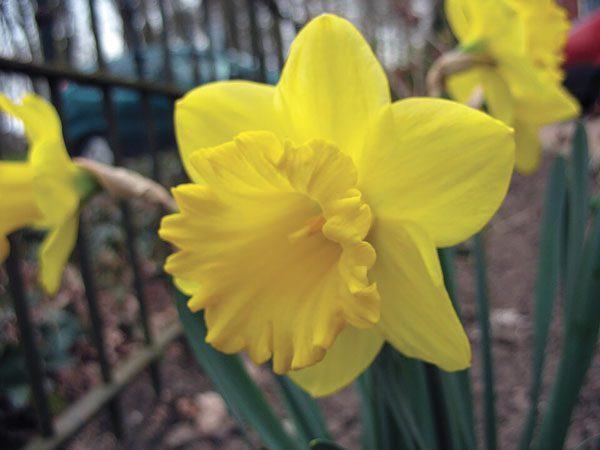
One of my favorite memories is seeing Daffodils (narcisos) arrive at my local market, in late winter or early spring. For me this was a promise and hope that spring was just around the corner. I’d buy the beautiful, inexpensive bouquets to place on my breakfast table. They illuminated my home and soul.
If spring brings with it thoughts of balance, harmony and renewal then I say, “bring it on!” We truly could use these right now at the beginning of this particular new year. As a side note, those glorious purple trees that are usually in bloom now are Jacarandas.
What to plant in March
March is still cool at night and can be windy with no rain until mid-June. It’s beginning to get hot in the afternoons. You will find iris, lantana, daylilies, gerberas, lobelia and acanthus at the viveros, as well as many more year-round blooming plants. The seeds of flowers that do best in the hot, dry season, such as calendulas and salvias, should be planted. Start begonias, impatiens, periwinkle, rock cress and passion flower vine. Cut snapdragons back sharply after blooming and new growth will appear. Remember to water well after you fertilize. Mist fuchsias and orchids regularly.
Outdoors, sow or transplant beets, carrots, celery, chard, herbs, Jerusalem artichokes, kale, leeks, lettuces, green onions, bulb onion seed and sets, parsley, peas, peanuts, potatoes, radishes, shallots, spinaches, strawberries, and turnips. Transplant broccoli, Brussels sprouts, cabbage, cauliflower, and kohlrabi seedlings.
Wildflowers can still be sown and are suitable in many areas where other plantings don’t seem to thrive. Wildflowers don’t want fertilized soil. Consider landscaping with plants that thrive under conditions of drought and neglect. Flowering annuals include alyssum, cosmos, gazania, geranium, helichrysum, marigold, morning glory, phlox, portulaca, thunbergia, verbena, vinca, and zinnia. Shrubs include ceanothus, coffee berries, pineapple guavas, rockroses, and verbenas (an especially good ground cover).
Indoors, sow eggplant, pepper, and tomato seeds for transplanting into the garden in late April or early May.
Herbs make great landscaping plants, as well. Chives add attractive, spear-like foliage among blooming plants. Rosemary and woolly thyme make attractive, fragrant, drought-tolerant, trouble-free ground covers.
After clipping and digging in green manure crops, wait about two weeks before transplanting vegetable and flower seeds or seedlings. This will allow the greenery to decay sufficiently to provide nutrients to the new plantings. The heat produced from the decomposing green manure will burn seeds trying to sprout or transplants trying to get settled in.
Arbor Day is celebrated in California on March 7 in honor of horticulturist Luther Burbank’s birthday. Burbank is famous for his work improving varieties of flowers (like Shasta Daisy), fruits (Santa Rosa Plum), grains, grasses, vegetables (Russet Burbank Potato), and trees.
“You can cut all the flowers but you cannot stop spring from coming.”
~ Pablo Neruda

 Discover trusted local services and hidden gems with our easy-to-use online directory.


- Verdant View – March 2026 - February 28, 2026
- Verdant View – February 2026 - January 30, 2026
- Verdant View – January 2026 - December 30, 2025