
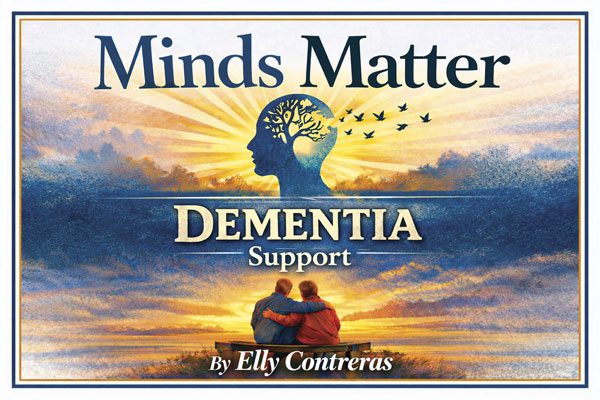
Dementia is not a Four-Letter Word
There was a time—not so long ago—when certain diagnoses and identities were whispered, hidden, or avoided altogether. Cancer was once referred to only as “the C word,” spoken in hushed tones, as if saying it aloud would somehow make it worse. In much the same way, homosexuality lived for decades in silence, burdened by stigma and fear of judgment.
Today, we face a similar challenge with what I call “the D word”: dementia.
Many people are still afraid to say the word dementia out loud. Some avoid conversations about it, while others keep their distance from those living with memory loss, as though it were contagious. This silence creates fear and misunderstanding—not only for those diagnosed, but also for their families and caregivers.
Wouldn’t it be better if we worked toward removing the stigma and replacing it with awareness, understanding, and compassion?
For many individuals in the early stages of dementia, the diagnosis feels like the end of life as they know it. Dreams seem to collapse overnight. Retirement plans—travel, hobbies, time with loved ones—can suddenly feel out of reach. The emotional impact is profound, often affecting self-image and how others perceive and treat them. This stigma can even discourage people from seeking an early diagnosis, which is when interventions can be most effective.
But it does not have to be this way. When dementia is openly discussed, it becomes less frightening. Knowledge replaces fear. Understanding replaces avoidance. And most importantly, hope begins to take root.
My own journey into the world of dementia began over a decade ago when my husband started experiencing memory loss. At the time, I struggled to understand what was happening. Information was scarce, and even our doctor admitted he did not know much about dementia. Navigating such a life-changing diagnosis without guidance or open conversation made everything more difficult than it needed to be.
Over time, I came to realize that while dementia is undoubtedly challenging, it is not the end of the world. There are still meaningful moments to be lived, connections to be nurtured, and joy to be found.
Education is key. We need to talk about dementia because it helps people recognize early symptoms, seek timely diagnosis, and access resources that can slow progression. It empowers caregivers with practical tools and fosters more inclusive communities where those living with dementia are treated with dignity and respect.
Dementia is one of the most significant health challenges of our time, which makes early diagnosis so important. Including a cognitive assessment in annual checkups for anyone over 65 could make a meaningful difference. There are also many helpful resources available, such as Alzheimer’s Disease International (www.alzint.org) which provides guidance and support for families worldwide.
Through my involvement in care groups and educational programs, I have learned approaches that truly make a difference. The Montessori approach to dementia care, for example, focuses on abilities rather than limitations and has been shown to reduce anxiety and promote engagement. Other helpful practices include maintaining routines, encouraging physical activity, fostering social interaction, and using music and familiar activities to stimulate memory.
These learnings have helped me support my husband in ways I never thought possible. We have adopted a lifestyle that emphasizes what he can still do rather than what he has lost. As a result, we continue to share meaningful and joyful experiences together.
So, what can we do as caregivers?
First, we must accept that life will change. With acceptance comes the ability to adapt—to become more patient, more understanding, and more present. Love becomes our most powerful tool.
Second, we need to start early. For many, by the time dementia is diagnosed, opportunities to slow progression may already be limited. That is why awareness and proactive lifestyle choices—long before symptoms appear—are so important.
Finally, we must shift the narrative. Instead of focusing only on loss, we can choose to highlight connection and possibility. What if we replaced fear with hope?
Yes, there will be moments of sadness. As caregivers, we may feel overwhelmed or discouraged. But what truly makes a difference is love—shared through simple, meaningful experiences like music, conversation, and time together.
A dementia diagnosis may change the path we expected, but it does not eliminate the possibility of happiness. With the right support and mindset, many individuals can continue to live meaningful lives for years after diagnosis.
The more we talk about dementia, the less power stigma will hold. The more we understand, the more compassion we can offer.
It’s time to say the word out loud. Because dementia is not a four-letter word.

 Discover trusted local services and hidden gems with our easy-to-use online directory.

- Minds Matter – September 2026 - August 29, 2026
- Minds Matter – July 2026 - June 29, 2026
- Minds Matter - May 3, 2026