For a few hours one day last week, I did not feel grief. Every other hour of every day, I did. Grief has been one of the ingredients of my life since my first haircut, when something I knew and loved was taken from me without my permission.
When I was six or seven, I was allowed to have a bowl of guppies. One day, I was asked to wash the bowl. Carefully, I scooped the fish into clean water. I washed their home, tested the replacement water with my elbow, as I had once seen an adult do, and proudly scooped them back into their bowl. Instantly, they went belly up. The water was too hot. I can still feel that moment: shocked, frightened, and terrified of what my mother would do. She rushed over, grabbed the bowl, and poured my little pets into the toilet. They were gone without a word of comfort or caring. I believe she may even have felt relieved to be rid of another household responsibility.
I know I am not alone. Every human being experiences loss. We carry unresolved grief like a rebozo wrapped around our heads, shoulders, and hearts, giving dignity to the sadness underneath. Lately, every morning when I get out of bed and look in the mirror, I grieve my youth and changing appearance. I search for chin hairs and feel a small burst of joy when I find none. This is such a serious matter of vanity that I included “tweeze my chin hairs” in my living will. One Christmas, I gave several of my best friends decorated tweezers.
Grief is a natural emotional and physical response to significant loss, especially the death of someone or something we love. It is universal. Everyone experiences it. We cannot avoid grief. We have to move through it—not necessarily to get to the “other side,” but to learn how to live with what has changed. Sudden death, a devastating diagnosis, violence, the loss of a home, or other profound disruptions can unleash emotions so heavy that professional guidance may be needed.
But loss and grief can also be teachers. We can explore grief with the hope that, over time, loss can become a source of wisdom. Grief does not disappear. Instead, we learn how to carry it. Without death and grief, what would motivate us to become better human beings? To care for one another openly and passionately? To hold hands as an antidote to suffering? We spend much of our lives striving for independence, yet it is through connection that we truly thrive. Connection helps us bear the weight of grief.
Grief is what we feel. Mourning is how we express it.
Mourning rituals exist in every culture, country, religion, and family. They give shape to what can otherwise feel shapeless. They allow us to gather, remember, tell stories, cry, laugh, sing, pray, eat, and simply be together. In Mexico, Día de Muertos is such an important cultural tradition that UNESCO has recognized the Indigenous festivity dedicated to the dead as part of the Intangible Cultural Heritage of Humanity. It is a living tradition in which death and life are intimately connected.
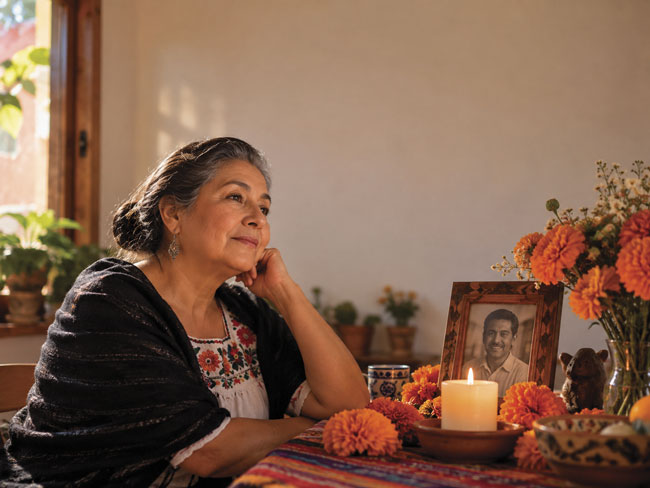
On November 2nd, families create ofrendas, visit cemeteries, decorate graves, share food, tell stories, and remember those who have died. There is mourning, but there is also celebration. The dead are not forgotten. They remain part of the family story. That may be one of the greatest gifts of ritual: it gives us a way to keep loving someone after they have died.
Use every opportunity you have to gather together as a community and share your grief. Spread its weight across the shoulders of everyone present. Go to the funeral. Attend the memorial service. Build an ofrenda. Light a candle. Hold a photograph. Tell the stories. Say the name. Keep your loved ones close—not because you cannot let them go, but because love does not end when a life ends. Let the community help carry what you cannot carry alone.
I will remember my guppies. I will forgive my mother for her inability to meet my needs in that moment. And I will hold that little girl who hurt so much over the loss of her tiny fish. That, too, is mourning. And perhaps that is where we begin to find meaning in it.

 Discover trusted local services and hidden gems with our easy-to-use online directory.


- Finding Meaning in Mourning - September 30, 2026
- How Death Doulas are Improving the End-of-Life Experience in Lakeside - May 30, 2026
- From Is to Was: January 6, 2025 - February 28, 2026